+8613706519013
 BHC Polymer Additives Co., Ltd / Shanghai Crystal Wells Chemical New Materials Co., Ltd.


What is C5-100 and How it Works
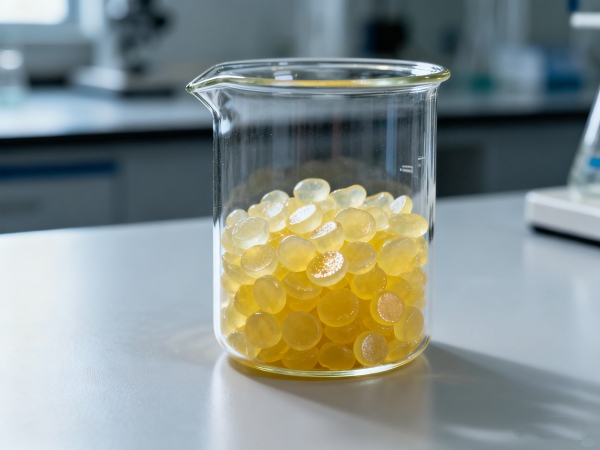
C5-100 is a pre-dispersed rubber additive based on a C5 petroleum resin that is engineered to improve tack and green strength in a wide range of rubber compounds. It is typically supported on a carrier such as SBR or EPDM, allowing the resin to be evenly dispersed during mixing without the dusting or inconsistent distribution that comes with powder-type additives.
The core function of C5-100 comes from its low molecular weight and strong compatibility with unsaturated rubber matrices. Once incorporated, the resin increases the surface stickiness between layers (tack), while simultaneously forming temporary physical networks that strengthen the uncured rubber (green strength). These effects help stabilize rubber during handling, building, extrusion, and calendaring.
Why Tack and Green Strength Matter in Rubber Processing
In rubber manufacturing—especially tire building, hose assembly, footwear production, and molded goods—tack and green strength play a crucial role before vulcanization.
Tack ensures that rubber layers bond firmly during assembly. Poor tack leads to delamination, weak joints, trapped air, and higher scrap rates.
Green strength allows the uncured rubber to maintain shape and resist deformation during cutting, splicing, and molding. Without adequate green strength, the compound may stretch, sag, or distort before curing.
For factories seeking stable processing, fewer defects, and higher productivity, additives that enhance these two properties are extremely valuable. C5-100 is widely chosen because it improves both simultaneously without disrupting cure characteristics.
Key Benefits of Using C5-100 in Rubber Compounds
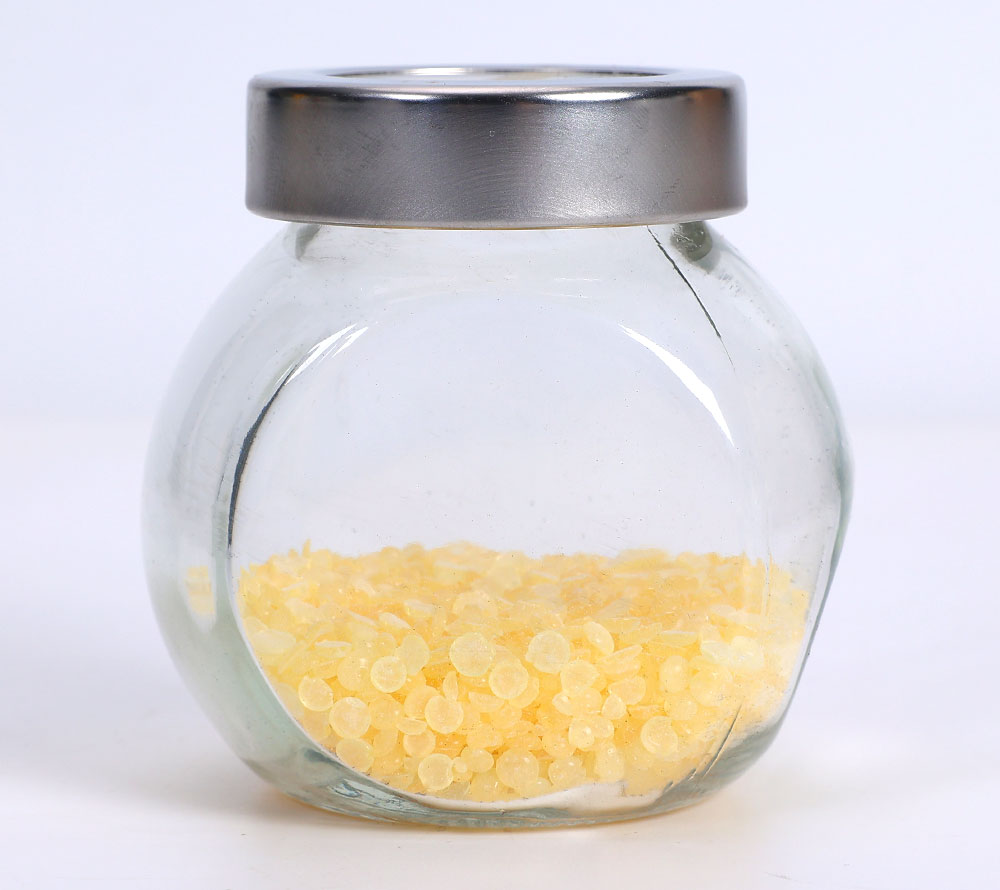
C5-100 offers several advantages that directly benefit production efficiency and product quality:
1. Stronger Tack for Better Layer Adhesion
C5 resin reinforces surface stickiness, ensuring that rubber layers bond instantly during assembling, tire building, and extrusion processes.
2. Improved Green Strength for Stable Handling
The resin network reduces deformation, making the compound easier to cut, transport, and shape before curing.
3. Cleaner and More Uniform Mixing
The pre-dispersed form eliminates dust and ensures that the tackifying resin is distributed evenly across the compound.
4. No Negative Effect on Vulcanization
C5-100 does not hinder curing speed or crosslink density, making it compatible with standard sulfur or peroxide curing systems.
5. Enhanced Product Quality
With better tack and shape stability, defects such as layer separation, warping, and uneven thickness can be significantly reduced.
Compatibility and Recommended Dosage
C5-100 is compatible with most general-purpose and specialty rubbers, including:
1. NR (Natural Rubber)
2. SBR
3. BR
4. EPDM
5. CR
6. IIR
In highly unsaturated rubbers (such as NR and SBR), tack performance is especially noticeable due to strong molecular affinity.
Recommended Usage Level
Typical dosage ranges from 3–15 phr, depending on the desired tack level, compound hardness, and processing requirements:
- 3–6 phr for mild tack enhancement
- 6–10 phr for tire building or layered assembly
- 10–15 phr for maximum tack and green strength
Because it is pre-dispersed, C5-100 can be added during the first or second mixing stage without special adjustments.
Where C5-100 Performs Best
C5-100 is used widely across industries that require controlled stickiness and stability during processing. Common applications include:
Tire building (tread, sidewall, inner liner splicing); Rubber hoses and industrial belts; Rubber sheets and calendared materials; Footwear midsoles and outsoles; General-purpose molded goods; Extruded profiles requiring stable shape.
In these applications, the additive shortens assembly time, minimizes defects, and creates a more stable manufacturing environment.